نوشتهی انگلیسی پایین را چند روز پیش توی لینکدینم نوشتم. به فارسی نوشتنم نمیآید. برای خودم این خیلی معنادار است که نمیتوانم به فارسی چیزی بنویسم. تو بگو فحش و فضیحت و دری وری هم نمیتوانم. خفهقان گرفتهام. لحظه به لحظه اخبار جنگ را دنبال میکنم و گرفتار احساسات گوناگونم. گاهی خشم، گاهی شرمندگی، گاه حسرت، گاه دلتنگی و سراسر تناقض.
دقیقا برای دو ماه دیگر بلیط برگشتمان به ایران را گرفتهام. نمیدانم که آن موقع هم پروازها به ایران لغو باشند یا نه. به هر کس میگویم یک جوریاش میشود. ماتیوش میگوید برای اروپا و شغل و دکترا اپلای کن. اروپا ولکامتر از سنگاپور است. بهش میگویم شک دارم. هم این است هم نیست. خوب نمیگردم. جستوجو نمیکنم. موقعیتها را اپلاینکرده میبندم. چند تایی را هم به زور اپلای کردمها. اما جوابی نمیدهند. چه کسی به یک ایرانی آواره شغل میدهد آخر؟ به جایش اخبار را لحظه به لحظه میخوانم. فیلمها را میبینم و دلم از ویرانی پشت ویرانی فشرده میشود. تمام مکانهایی که میتوانستم سر دست بگیرم و بهشان به عنوان یک ایرانی افتخار کنم یکی یکی دارند نابود میشوند. پریشبها به فرزان گفتم میترسم وقتی برگردم ایران چند نفر از دوستانم را برای همیشه از دست داده باشم. دلم میخواهد برگردم ایران اصلا. دو هفته پیش که جاکارتا بودم برای فقیه وقوع جنگ را پیشبینی کرده بودم. گفت بود برنگرد ایران. با این اوصافی که میگویی اگر جنگ شروع شود پایانی نخواهد داشت. گفت اصلا بیا به اندونزی. خنده زده بودم. توی دلم گفته بودم ویرانشدهی ایران هم از جاکارتای شما بهتر است. رییسجمهورشان یک کتاب دارد به اسم تناقض اندونزی. نظراتشان در مورد تناقضات کشور اندونزی و راه برونرفت از این تناقضها را بیان کرده است. برای پروژهی پایانترممان یک نگاه بهش انداخته بودم و به نظرم جلوی تناقضهای ایران، اندونزی هیچ حرفی برای گفتن ندارد. آنچنان متناقض شدهایم ما ایرانیها که اصلا نمیشود به برونرفت از این تناقضها فکر کرد. تناقض ازین دهشتناکتر و عجیبتر که جمعیت بزرگی از ایرانیان راه رسیدن به رستگاری و صلح را جنگ بیپایان میدانند؟!
نمیدانم. نوشتنم نمیآید…
Two months ago, I was in Iran. Because of the severe rising prices, public hashtag#protests had begun. In the days before my departure from Iran to Singapore, the protests intensified. The response of the hashtag#Iraniangovernment was the mass killing of protesting citizens. According to official statistics, within two days, around 6,000 Iranians were killed by security forces in the streets of different cities.
People had not yet recovered from the trauma of that massacre when Trump and Netanyahu began heavy attacks on different cities in Iran. Why did they attack? Because Iran is considered a political enemy of Israel, and when a government begins killing its own citizens, it signals weakness. The opportunity appeared to eliminate the weakened Iranian government.
At the same time, a large portion of the hashtag#Iraniandiaspora abroad was also calling for attacks on Iran. Many saw hashtag#war and foreign military intervention as the only way to free the Iranian people. In several countries, thousands of Iranians held demonstrations asking for attacks on their own country.
The leaders of the Islamic Republic themselves also seemed to welcome war. In Islamic mythology, martyrdom — being killed in the path of God and refusing to submit to coercion — is considered a virtue, a value Iran’s rulers frequently emphasize. From a Western perspective, the killing of Iran’s Supreme Leader early in a war might appear as a defeat. But within the ideological framework, such a death would represent the highest form of martyrdom and victory.
I do not know whether the current situation of the Iranian people has any precedent in history. On one side, there is a government that does not hesitate to kill its own people and even takes pride in dying for its ideology. On the other side, there is a diaspora that believes war on their country is the path to liberation. And there are hashtag#UnitedStates and hashtag#Israel, which show little hesitation in killing people in other countries to pursue their interests.
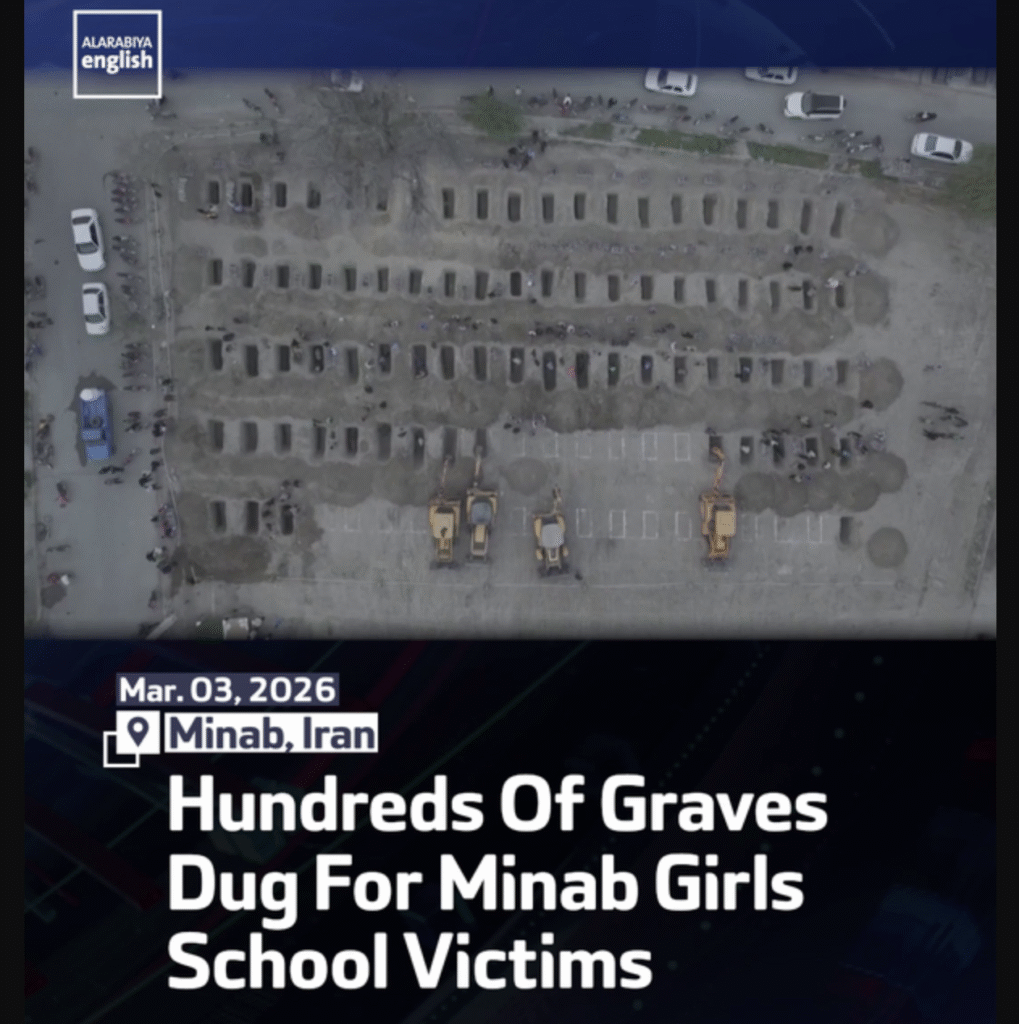
The killing of 168 schoolgirls in a school in Minab — one of the most remote and deprived regions of hashtag#Iran — is perhaps the most symbolic result of the current situation of the Iranian people. The cost of the war-seeking behavior of Iran’s leaders, the diaspora, and the United States and Israel is paid by people like these 168 schoolgirls.
I do not know what will happen next. When you live inside a catastrophe, larger catastrophes begin to lose their meaning. During the 12-day war between Iran and Israel, I was in Tehran with my family. Now I am in Singapore. The internet in Iran has been shut down, and making phone calls is only possible from inside Iran.
Being far from home under such circumstances is more painful. My only window of connection is news reports about bombs hitting neighborhoods of the city where I spent 34 years of my life, along with very brief daily calls from my family saying they are alive and that I should not worry — but how could anyone not worry in such a situation?